
Guides / Deliveries · 3 min read
Proof of delivery should begin with the order.
Delivery evidence is most useful when it answers a commercial question: what was promised, where was it going, what was completed and which order or account did it belong to?
By the OperiQ team
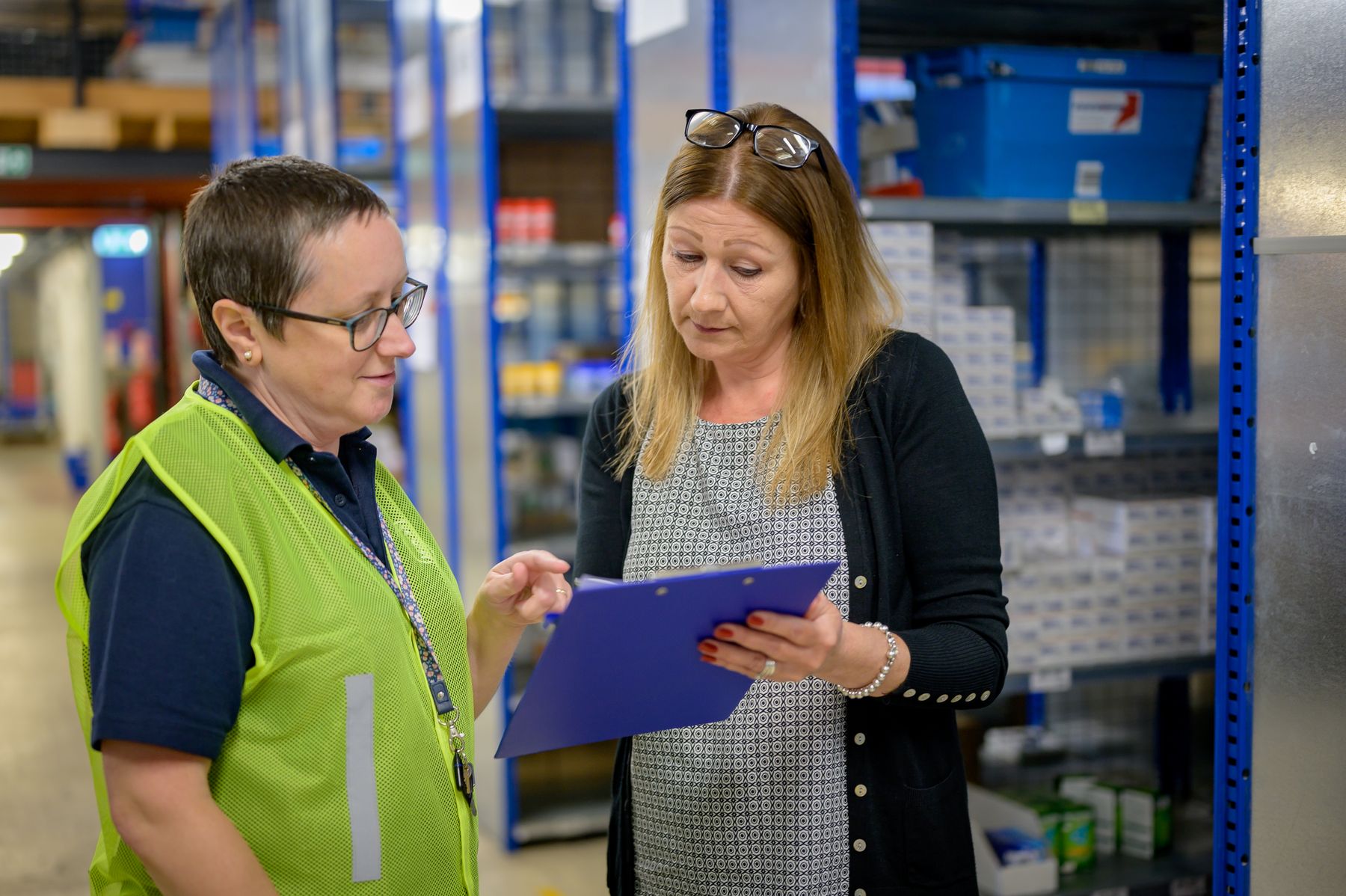
1. Keep the site and order connected
A delivery address without the originating order leaves staff to reconstruct the reason for the journey. The fulfilment record should retain the customer, site, lines, notes and status from the sale.
If quantities or instructions change, the team needs one clear version of what the driver is expected to complete.
2. Use completion evidence appropriately
The useful evidence depends on the operation and the agreement with the customer. It may include a completion time, recipient acknowledgement, notes or permitted supporting media. The system should make the status clear without overstating what the evidence proves.
Access to delivery information should follow the same role and data controls as the originating commercial record.
- Order and delivery lines agree
- Site information is clear
- Assignment is visible
- Completion status is recorded
- Account and invoice questions trace back to the order
3. Review the exception path
Ask what happens when nobody is present, a line is rejected, only part of the order is supplied or the driver cannot complete the delivery. These situations reveal whether the process records a real outcome or merely marks work complete.
A merchant system should keep those exceptions close enough to the order for the counter and account team to act on them.
See how OperiQ handles this on your own work.
Book a meeting